Wood Fence Installation in Baton Rouge
Wood is still the most-requested fence in the Capital Region: it's warm, it's easy to customize, and it's straightforward to repair. In south Louisiana, though, a wood fence lives or dies on details most people never see: what's touching the ground, how the posts are set, and how the boards are fastened.
Built for heat, humidity and wet ground
Baton Rouge gets heavy rain and long stretches of high humidity, and much of the area sits on clay soils that stay wet. Posts and any wood in contact with soil should be pressure-treated lumber rated for ground contact, not the above-ground grade sold for deck boards. Boards should sit slightly above grade so they aren't wicking moisture, and stainless or hot-dip galvanized fasteners help prevent the rust streaks and loosened pickets common with cheap nails.
Termites are a real factor here
Formosan subterranean termites are well established in East Baton Rouge Parish, and the LSU AgCenter notes they will attack fence posts and landscape wood. Using ground-contact treated posts, avoiding wood-to-soil contact, clearing old lumber and debris from the fence line and inspecting for mud tubes each spring all reduce the risk. Ask your installer how posts are treated and set.
Popular wood styles
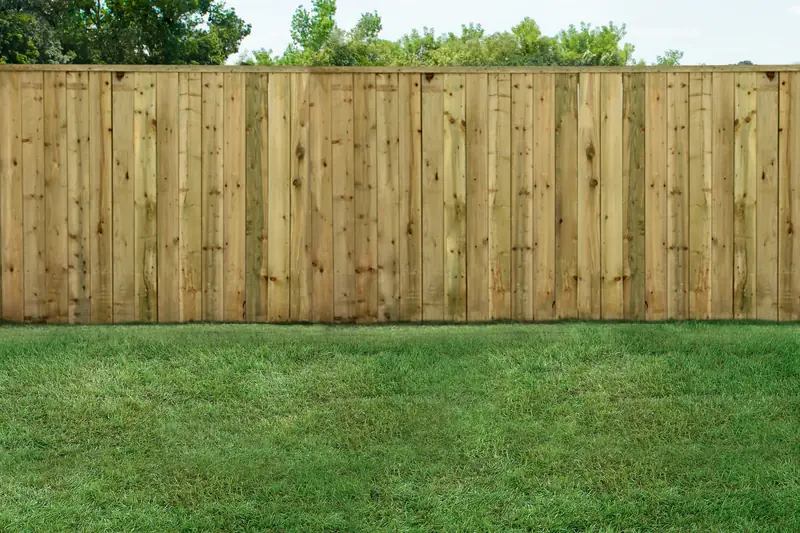
Shadowbox (good-neighbor) panels that look finished from both sides; board-on-board for full privacy with room for airflow; dog-ear and flat-top stockade for budget-friendly privacy; and cap-and-trim upgrades that shed water off the top of the pickets. Staining or sealing within the first year noticeably extends the life of pine in our climate.
What affects the price
- Linear footage and height
- Material grade and style
- Number and size of gates
- Removing and hauling an old fence
- Slope, access, roots and ground conditions
- Permit requirements for your address
Prices vary widely between projects, so the only reliable number is a written quote for your property. Request a free estimate.
Where we install
Baton Rouge and nearby Prairieville, Denham Springs, Zachary, Central, Gonzales, Shenandoah.
Frequently asked questions
How long does a wood fence last in Baton Rouge?
Lifespan depends heavily on the lumber grade, how posts are set, drainage and maintenance. Ground-contact treated posts, boards kept off the soil and periodic sealing make the biggest difference in our humid climate. Your installer can explain the expected life of the specific materials quoted.
Pine or cedar?
Pressure-treated pine is the most common choice locally and accepts stain well. Cedar is naturally more rot-resistant and stable but costs more. Many fences use treated pine posts with cedar or pine pickets.
Do I need a permit for a wood fence?
In the City of Baton Rouge and unincorporated East Baton Rouge Parish, the Permits and Inspections Division lists fence installation as permitted work, with a maximum height of 8 feet. Cities like Zachary, Central, Baker and St. George handle their own permits. Your contractor should confirm what applies to your address.